This article contains affiliate links. If you buy through them, we may earn a small commission at no extra cost to you. See ouraffiliate disclosure for details.
Most indoor herb gardens fail for one boring reason: not enough light, for not enough hours a day. Even a bright-looking window rarely delivers what herbs actually need, especially in winter or in a north-facing kitchen. A grow light fixes this, but the spec sheets on these things are genuinely confusing. Here’s what to actually look at.
Ignore wattage as a comparison metric
Wattage tells you how much electricity a light draws, not how much usable light it puts out. A cheap, inefficient 50W light can put out less usable light than an efficient 20W LED. It’s a leftover comparison point from incandescent bulbs and isn’t meaningful for comparing LED grow lights to each other.
What to look at instead
- PPFD (Photosynthetic Photon Flux Density). This is the actual measure of usable light reaching the plant, usually given in µmol/m²/s at a specific distance. For herbs on a countertop, you want somewhere in the 150–300 range at the height the leaves will actually sit. If a listing doesn’t provide PPFD at a stated distance, that’s a sign the spec sheet is marketing copy, not real measurement data.
- Spectrum. Full-spectrum (“white”) LEDs work well for herbs specifically because you’re growing leaves, not trying to maximize flowering or fruiting — you don’t need the red-heavy spectrums marketed for flowering plants. A full-spectrum light in the 4000–6500K range is the safe, simple choice for a kitchen herb setup.
- Coverage area at your actual mounting height. A light’s footprint shrinks the higher it’s mounted above the plants. Check the coverage spec at the height you’ll realistically use — a countertop clip light mounted 20 cm up covers far less than the same light at 40 cm.
- A built-in timer. Herbs generally want 12–16 hours of light a day, consistently, which is easy to forget manually. A light with a built-in timer (or one you pair with a cheap plug timer) removes the single most common reason these setups fail: inconsistent light hours.
Fixture types and where they fit
- Clip-on gooseneck lights — best for a single pot or small cluster on a windowsill. Cheapest option, flexible positioning, limited coverage area.
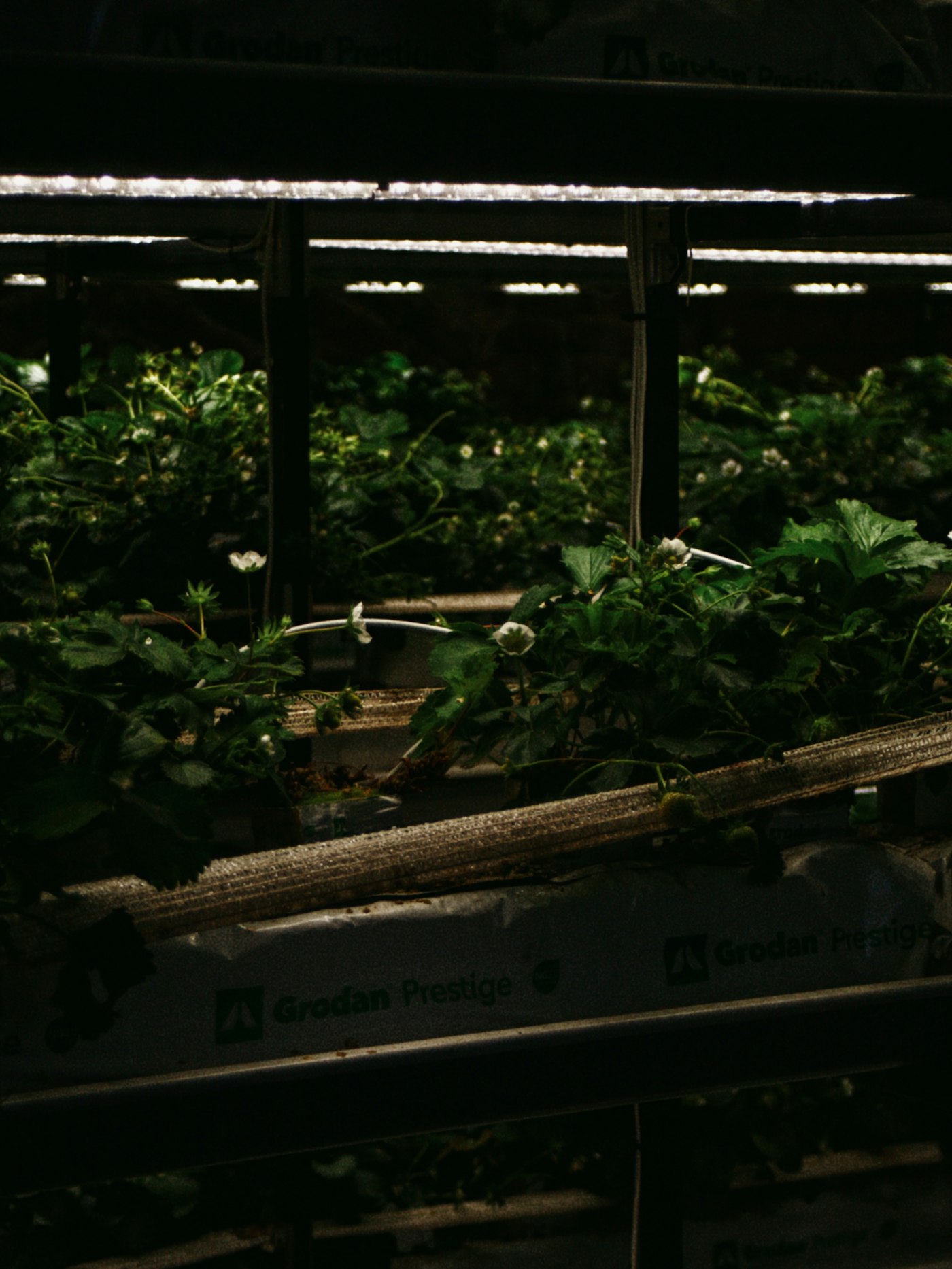
- Bar/panel lights over a shelf or tray — best if you’re running multiple pots in a row. More even coverage than a single clip light, worth it once you have more than 2–3 plants.
- Full grow-light stands/shelving units — worth it only if you’re running a genuinely multi-tier setup. Overkill for a windowsill herb garden.
A practical shortlist
- Single pot or small cluster: a clip-on full-spectrum LED with an adjustable gooseneck and built-in timer. GooingTop Clip-On Full-Spectrum Grow Light with Timer
- A row of 3–5 pots on a counter or shelf: a bar-style LED panel rated for the shelf width you have. AC Infinity IONBEAM S16 Grow Light Bar
- No natural light source at all (interior kitchen, basement): prioritize PPFD and coverage over price — underpowered lights in a zero-natural-light spot will produce leggy, weak growth regardless of how long they’re left on. FECiDA High-Output Flat Panel Grow Light
The honest caveat
A grow light supplements or replaces natural light; it doesn’t override poor airflow, wrong watering, or a pot that’s too small. If herbs are still struggling under a light that matches these specs, the light usually isn’t the problem.